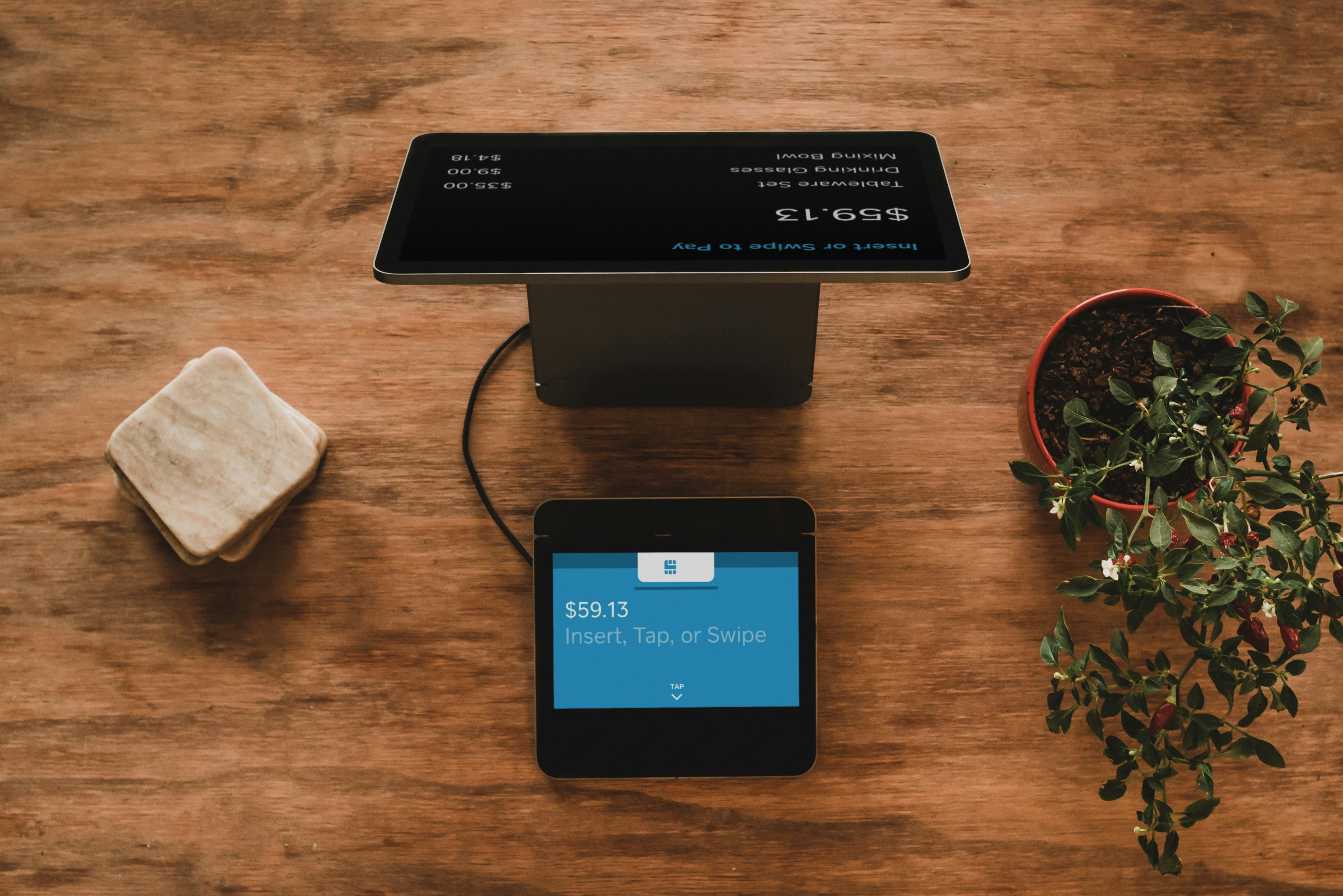
Payment Gateway Integration Guide
Payment Gateway Integration Guide: A Complete Guide to Secure Online Payments
A secure and reliable payment gateway is one of the most important components of any ecommerce website. Customers expect a fast, seamless, and secure payment experience regardless of the device they use. Integrating the right payment gateway not only improves customer trust but also increases conversion rates and reduces abandoned carts.
Modern payment gateways support multiple payment methods including UPI, credit cards, debit cards, digital wallets, net banking, EMI options, and international payments. Choosing the right gateway and implementing it correctly ensures smooth transaction processing, better security, and compliance with industry standards.
Quick Fact: Businesses that offer multiple secure payment options and a simplified checkout process typically experience higher customer satisfaction, increased payment success rates, and improved online sales.
What is a Payment Gateway?
A payment gateway is a secure technology that authorizes, processes, and transfers online payments between customers, merchants, banks, and payment processors. It encrypts sensitive payment information and ensures that every transaction is completed safely.
Why Payment Gateway Integration is Important
An integrated payment gateway simplifies online transactions while protecting customer data. It helps businesses accept payments quickly, automate payment confirmation, and improve the overall shopping experience.
- Accept secure online payments.
- Support multiple payment methods.
- Reduce checkout abandonment.
- Increase customer confidence.
- Automate payment processing.
- Improve transaction success rates.
- Support international payments.
- Enable business scalability.
Step 1: Choose the Right Payment Gateway
Selecting a payment gateway depends on business size, supported payment methods, transaction fees, settlement time, developer support, API documentation, and security features.
| Selection Criteria | Why It Matters |
|---|---|
| Supported Payment Methods | Improve customer convenience. |
| Transaction Fees | Manage operational costs. |
| Settlement Speed | Improve cash flow. |
| API Documentation | Simplify integration. |
| Security Standards | Protect customer data. |
| Customer Support | Resolve issues quickly. |
Step 2: Support Multiple Payment Options
Providing customers with multiple payment methods increases convenience and improves checkout completion rates. Modern ecommerce websites should support a wide variety of digital payment options.
- UPI Payments
- Credit Cards
- Debit Cards
- Net Banking
- Digital Wallets
- EMI Payments
- Buy Now Pay Later (BNPL)
- International Payments
Step 3: Understand Integration Methods
Payment gateways generally provide multiple integration methods based on business requirements. Businesses can choose hosted checkout pages, embedded payment forms, APIs, SDKs, or mobile payment integrations depending on the desired user experience and technical capabilities.
- Hosted Checkout
- API Integration
- Embedded Payment Form
- JavaScript SDK
- Mobile SDK
- Recurring Payments
- Subscription Billing
- Webhook Integration
Step 4: Implement Strong Security
Security should be a top priority during payment gateway integration. Sensitive customer information must always be encrypted and handled according to industry security standards to minimize fraud and protect financial data.
- SSL Certificates
- HTTPS Encryption
- PCI DSS Compliance
- Tokenization
- Two-Factor Authentication
- Fraud Detection
- Secure APIs
- Encrypted Transactions
Step 5: Payment Flow & Transaction Processing
Understanding the payment flow helps businesses troubleshoot issues and optimize the checkout experience. A typical transaction begins when a customer submits payment details and ends when the payment gateway confirms the transaction and updates the order status.
| Payment Stage | Description |
|---|---|
| Customer Checkout | Customer selects products and proceeds to payment. |
| Payment Authorization | Gateway validates payment credentials. |
| Bank Verification | Issuing bank verifies transaction details. |
| Payment Confirmation | Gateway confirms successful or failed payment. |
| Order Processing | Merchant updates order status. |
| Settlement | Funds are transferred to the merchant account. |
Step 6: Test Before Going Live
Always test payment gateway integration using the provider's sandbox or test environment before accepting real customer payments. Comprehensive testing helps identify errors, validate transaction handling, and ensure a smooth user experience.
- Sandbox Testing
- Successful Payment Testing
- Failed Transaction Testing
- Refund Testing
- Webhook Verification
- Payment Callback Testing
- Mobile Payment Testing
- Cross-Browser Testing
Step 7: Automate Payment Notifications
Automatic payment notifications improve customer experience by keeping users informed about successful payments, failed transactions, refunds, and order status changes through email, SMS, or WhatsApp notifications.
- Email Confirmation
- SMS Alerts
- WhatsApp Notifications
- Invoice Generation
- Payment Receipts
- Refund Notifications
- Order Updates
- Admin Alerts
Step 8: Handle Refunds & Failed Transactions
A professional payment system should provide transparent refund management and effective handling of failed or pending transactions. Clear communication builds customer trust and reduces support requests.
- Automatic Refund Processing
- Partial Refunds
- Transaction Logs
- Failed Payment Recovery
- Retry Payment Option
- Dispute Management
- Refund Status Tracking
- Settlement Reports
Step 9: Monitor Payment Performance
Regular monitoring helps businesses identify payment failures, optimize checkout performance, and improve customer satisfaction. Analytics provide valuable insights into transaction success rates and payment preferences.
- Transaction Success Rate
- Failed Payment Reports
- Settlement Reports
- Revenue Dashboard
- Payment Method Analysis
- Fraud Detection Reports
- Customer Payment Trends
- Real-Time Monitoring
Benefits of Payment Gateway Integration
- Provide secure online transactions.
- Support multiple payment methods.
- Reduce cart abandonment.
- Increase customer confidence.
- Automate payment confirmation.
- Improve transaction success rates.
- Support domestic and international payments.
- Strengthen business credibility.
- Reduce manual payment processing.
- Enable scalable ecommerce growth.
Manual Payment Collection vs Payment Gateway
| Manual Payment Process | Integrated Payment Gateway |
|---|---|
| Manual payment verification | Instant payment confirmation |
| Limited payment options | Multiple digital payment methods |
| Higher processing time | Real-time transaction processing |
| Manual reconciliation | Automated settlement reports |
| Higher fraud risk | Advanced fraud detection |
| Limited customer convenience | Fast and secure checkout |
| Minimal automation | Fully automated payment workflows |
Conclusion
Payment gateway integration is an essential part of every ecommerce website. A secure, reliable, and user-friendly payment process improves customer trust, increases conversion rates, and streamlines business operations. Choosing the right gateway, implementing strong security, and testing thoroughly before launch are key steps toward long-term success.
As digital payments continue to evolve, businesses that support modern payment methods, automate payment workflows, and monitor transaction performance will be better positioned to deliver outstanding customer experiences and achieve sustainable online growth.
Frequently Asked Questions (FAQs)
1. What is a Payment Gateway?
A payment gateway is a secure technology that processes online payments by encrypting customer payment information and securely transferring transaction data between customers, banks, merchants, and payment processors.
2. Why is Payment Gateway Integration Important?
Payment gateway integration enables businesses to accept secure online payments, reduce checkout abandonment, automate payment processing, improve customer trust, and provide multiple payment options for a better shopping experience.
3. Which Payment Methods Should an Ecommerce Website Support?
A modern ecommerce website should support UPI, credit cards, debit cards, net banking, digital wallets, EMI options, Buy Now Pay Later (BNPL), Cash on Delivery (COD), and international payment methods whenever applicable.
4. What is PCI DSS Compliance?
PCI DSS (Payment Card Industry Data Security Standard) is a global security standard that helps protect cardholder data by defining strict requirements for securely processing, transmitting, and storing payment information.
5. What is Tokenization in Payment Processing?
Tokenization replaces sensitive payment information with secure, randomly generated tokens. This protects customer payment details and significantly reduces the risk of fraud and data breaches.
6. How Can Businesses Secure Online Payments?
Businesses should implement SSL certificates, HTTPS encryption, PCI DSS compliance, secure APIs, tokenization, fraud detection systems, two-factor authentication (2FA), and continuous security monitoring to protect online transactions.
7. What is a Payment Gateway Sandbox?
A sandbox is a secure testing environment provided by payment gateway providers. Developers can simulate successful, failed, refunded, and pending transactions without processing real customer payments.
8. Can Payment Gateways Integrate with Ecommerce Platforms?
Yes. Payment gateways can integrate with ecommerce websites, CRM software, ERP systems, mobile applications, subscription billing platforms, accounting software, inventory management systems, and third-party APIs.
9. How Can Businesses Reduce Payment Failures?
Optimize the checkout process, support multiple payment methods, monitor failed transactions, use reliable payment gateways, enable automatic retries, and regularly review payment analytics to improve transaction success rates.
10. How Do Payment Gateways Support Business Growth?
Payment gateways simplify online transactions, increase customer confidence, improve conversion rates, automate financial operations, support international payments, and provide the scalability required for growing ecommerce businesses.
Payment Gateway Integration Checklist
- Select a trusted payment gateway provider.
- Support multiple payment methods.
- Implement SSL and HTTPS security.
- Use secure APIs and tokenization.
- Perform sandbox testing before launch.
- Enable automated payment notifications.
- Implement refund and dispute management.
- Monitor transaction success rates.
- Review settlement and reconciliation reports.
- Continuously update security practices.
Related Articles
- Mobile Commerce Trends
- Ecommerce SEO Best Practices
- Essential Features of an Ecommerce Website
- How to Build a Successful Ecommerce Website
- Ecommerce Website Development Guide
- Ecommerce Website Benefits
- Essential Shopping Cart Features
- CRM Software Buying Guide
Final Thoughts
A reliable payment gateway is the backbone of every successful ecommerce website. Customers expect secure, fast, and convenient payment options, and businesses that deliver a frictionless checkout experience are more likely to achieve higher conversion rates, stronger customer trust, and increased revenue.
Whether you are building a new online store or upgrading an existing ecommerce platform, implementing a secure payment gateway with modern payment methods, strong security standards, automated notifications, and continuous performance monitoring will help create a seamless payment experience that supports long-term business success.
Target SEO Keywords
Payment Gateway Integration Guide, Payment Gateway Integration, Ecommerce Payment Gateway, Online Payment Gateway, UPI Payment Integration, Secure Payment Gateway, Payment API Integration, Ecommerce Payment Solutions, Payment Gateway Development, Payment Gateway for Ecommerce, PCI DSS Compliance, Digital Payment Solutions, Online Payment Processing, Secure Checkout, Payment Gateway API.
About the Author
Gen Softech Team
Software Architect | 14+ Years Experience in Ecommerce Website Development, Payment Gateway Integration, ASP.NET Core, Secure APIs, Digital Commerce Solutions, and Enterprise Software Development.